
 Whether you are a casual player or consider yourself more experienced, it’s crucial that you have some kind of strategy before you take to the blackjack table – no mater whether you are playing at the casino or a few time-passing hands online.
Otherwise, you could be trapped like a rabbit in the headlights not knowing what to do in certain situations – not exactly a recipe for success.
One of the specific scenarios in which some players struggle is when they are dealt pairs. Should you always split them, or should you play the hand as it is? Should specific pairs be played and others retained?
Well, all you have to do to gain some kind of context to your blackjack game is to read on. Within ten minutes or so, you’ll know exactly what to do with each possible pair you can be dealt on the felt.
Should You Split Aces?
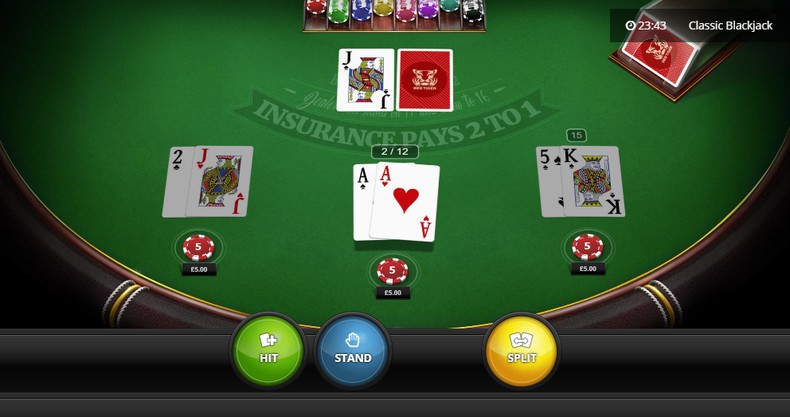
There’s an argument that says that the ace is the most valuable card in blackjack, and so being dealt two of them is a dream come true.
As you may know, an ace can represent a score of one or eleven, and so it’s a card that offers you options. That’s why you should always split a pair of aces – you can maximise your edge over the dealer.
There’s a chance you can land one or even two perfect blackjacks with your split aces, you may be dealt a card like an eight or nine that gives you a strong standing hand, or you might get low cards like a two or a three – boosting your probability of notching a five-card trick.
Should You Split 2s?
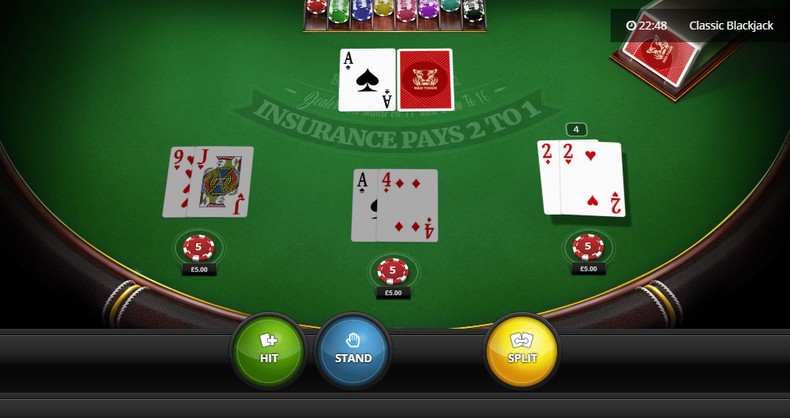
Many of the decisions you have to make at the blackjack table are determined by the dealer’s upturned card, and a pair of twos is no exception.
You are in a position of authority if their upturned card is any value between four and seven, for the simple reason that the dealer will have to hit if their total hand is 14-17. In this case, splitting twos is wise.
But if the dealer’s upturned card is a two or a three, or an eight, nine or ten-value card, then the percentage play is to simply hit – your opponent is in a position of advantage, so take a card and see what happens.
Should You Split 3s?
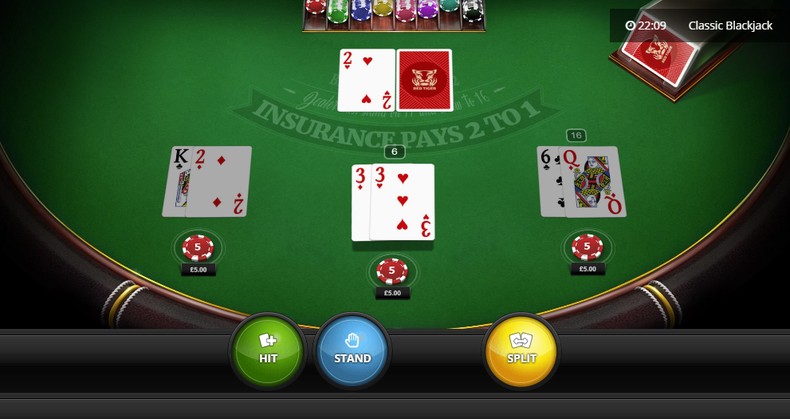
The same strategies should be deployed when you have a pair of threes as you would a pair of twos explained above.
Should You Split 4s?
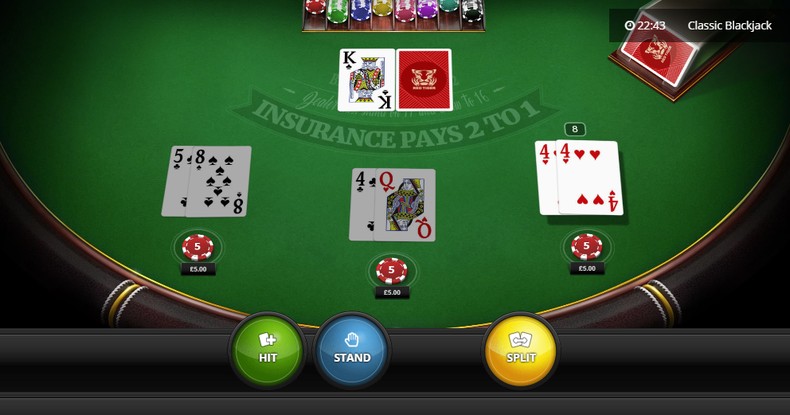
A four is not a card that adds much in the way of value as you weigh up your next move at the table, so splitting a pair of them is hardly a savvy move.
The percentage play with a pair of fours is to hit and hope you land a ten-value card. You will likely stand on 18 and have around a 75% chance of winning the hand.
Should You Split 5s?
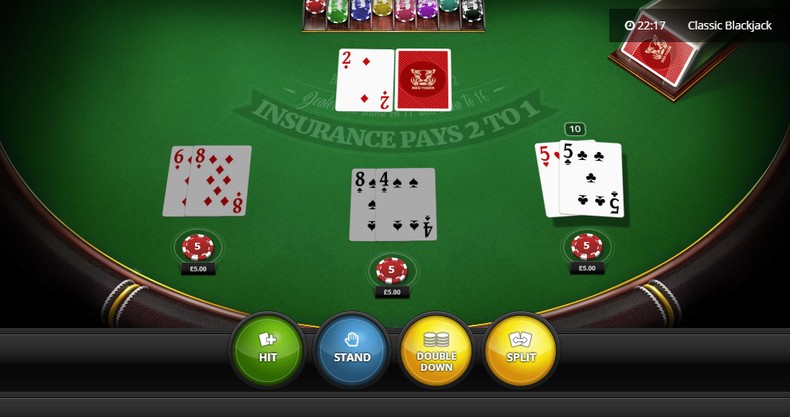
A hard ten is what some blackjack players call a ‘drawing hand’ – the presence in the deck of four aces, to make your hand almost insurmountable, or four 10s and 12 picture cards to make it very strong, simply cannot be ignored.
So why split fives? Remember, there are more cards in the deck worth ten points than any other denomination. If you have a five and add a ten to it, you have a hard 15 – hit on this and you will bust more than 50% of the time.
Cards like seven, eight and nine aren’t a great deal of help when added to a five, so be sure not to split fives.
Should You Split 6s?
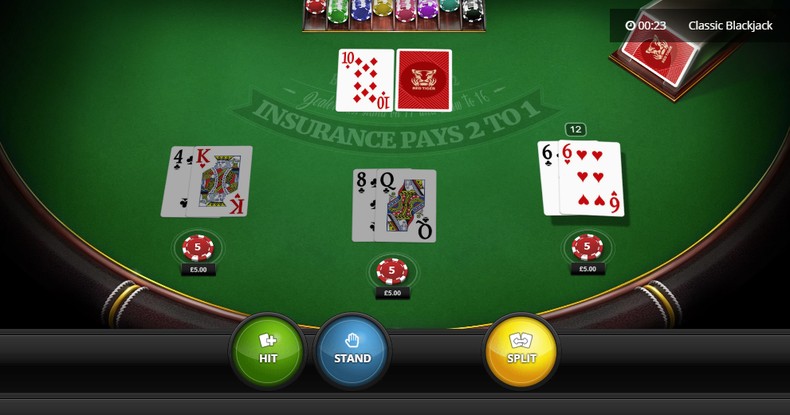
Again, what to do with sixes depends on the card that the dealer has upturned in front of them.
If the dealer has a two, you should hit with your pair of sixes – because the dealer acts second, he or she is likely to have an edge in this scenario.
If they have any card from three through to six, you should split – there’s a good chance their overall hand will be 13-16 in these cases, and that is blackjack’s version of the ‘corridor of uncertainty.’
However, if the dealer has a good card – and by that we mean a seven or higher – you should hit with your pair and hope to get into the late teens before standing.
Should You Split 7s?
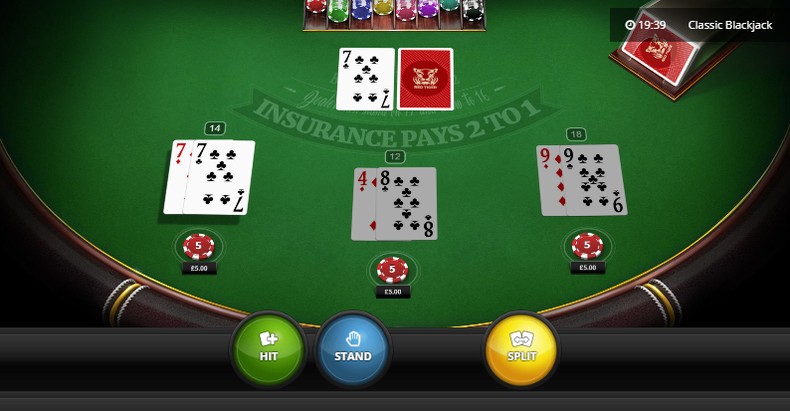
The dreaded 14: that’s your total score with a pair of sevens.
You should split when the dealer has any card valued between two and seven. Give yourself the best possible chance to defeat their low-scoring hand.
But if they have an eight or higher, there’s a good chance that will ultimately turn out to be a two-card hand of 18 or better – splitting sevens adds no value in this case, and your best option is to hit and hope you score as close to 21 as possible.
Should You Split 8s?
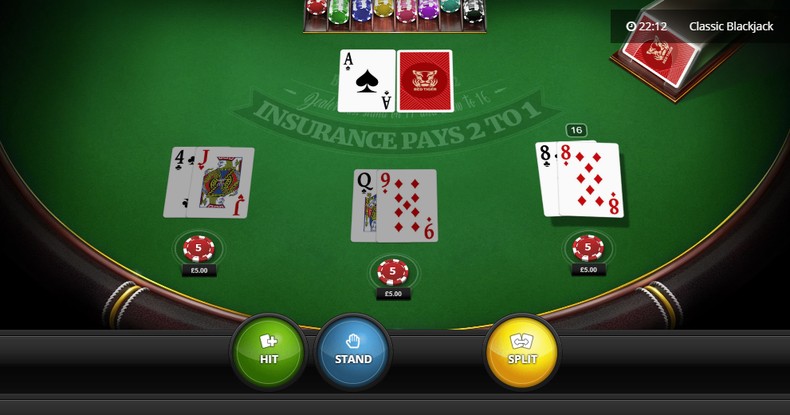
With a hard 16 hand, like a pair of eights, your win probability is around 29% if you stand (depending on the rules of the blackjack variant you are playing) and about 25% if you hit and take another card.
So, as you can see, playing a hard 16 hand is unlikely to yield a profit in the long run, and that makes your decision on whether to split your eights a whole lot easier.
Some players feel that they should take a ‘free’ option of standing or hitting with such a poor hand, but by splitting you may be able to win with one of your hands or both – therefore, splitting your eights is the percentage play.
Should You Split 9s?
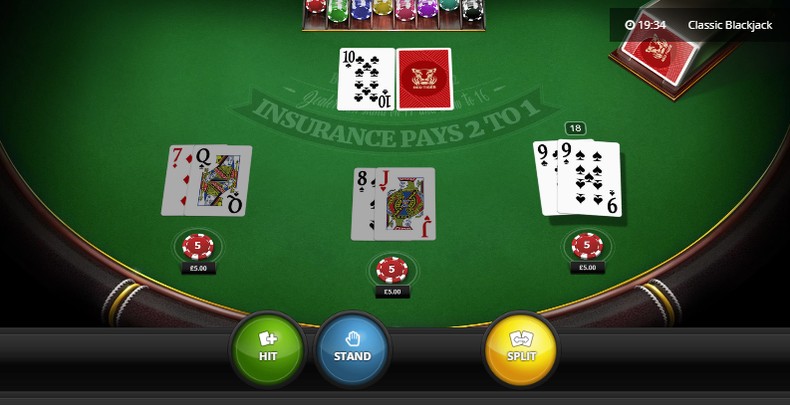
Some basic game theory reveals how to play a pair of nines.
You should use the dealer’s upturned card in this scenario. If they have a seven, you should stand with your nines. Why? Because there’s a decent chance that the dealer will have a hard 17 hand, which is likely to lose to your tally of 18 (9 + 9).
If the dealer has any other card upturned, you should split your nines. That’s because you have a decent probability of landing a score of 17 or above with both of your new hands when you consider the range of cards still left in the deck.
Of course, it feels counter-intuitive to split nines when the dealer has an ace or ten-value card. But remember, there are plenty of cards in the deck that add little in the way of value to an ace or a ten, so if you do hit 17 or better from your splits the dealer will be in the unenviable position of having to hit.
Should You Split Tens?
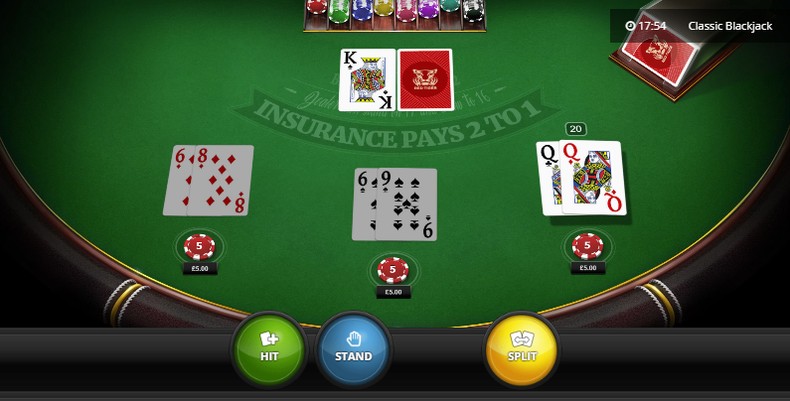
One of the toughest decisions in blackjack is whether or not to split tens or picture cards. The answer? You probably shouldn’t.
Fundamentally, 20 is a great score in blackjack – you will win with it more often than not. And while you might hit a 21 or a nice hand when you split, there’s also a chance you might hit a two, three, four, five or six. Scores of 12-16 really aren’t all that appetising; especially when you have doubled your stake to split, remember.
In blackjack as in life, a ‘better the devil you know’ is the smart way to play things.