
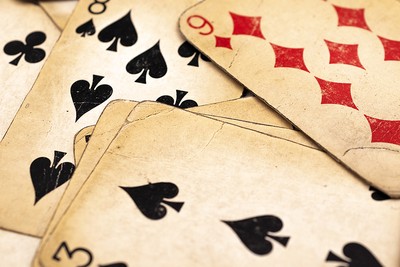
 If you didn’t know any better, you might think that casino-based gambling didn’t exist until Las Vegas resorts were built from the ground up in the 1940s.
But another place in America was already well-known for its illegal gambling dens, debauchery, crime and corruption. The original ‘Sin City’: Newport, in Kentucky.
Essentially the Las Vegas of the 1920s and thirties, assorted gangsters and mobsters –allied to the endorsement of stars such as Frank Sinatra and Dean Martin – developed a gambling scene so vibrant that Newport was known, for a time, as ‘America’s Playground’.
And it might have stayed that way had gambling not been legalised in Las Vegas in the 1930s….
Cruising for a Boozing
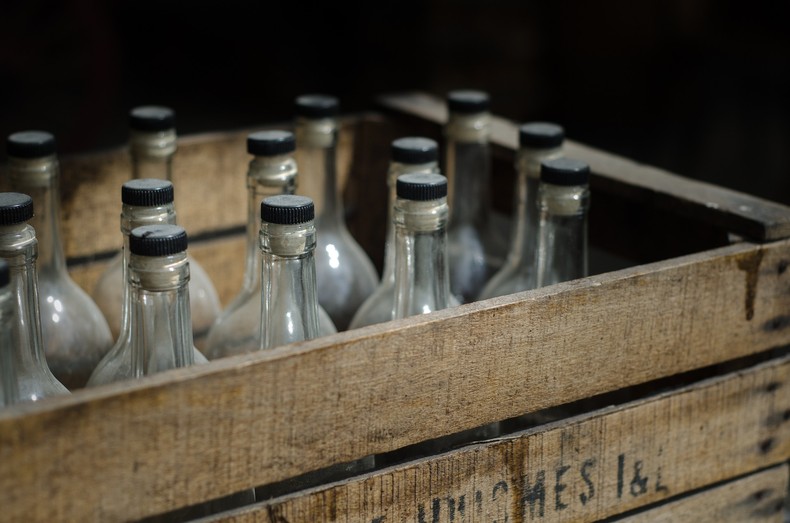
The United States was a very different place in the 1920s.
Andrew Volstead, the Republican Party representative, oversaw the introduction of the Prohibition Act in 1919, which made the ‘production, transport and sale’ of alcoholic drinks illegal.
Despite the opposition of the then president, Woodrow Wilson, the 66th meeting of the United States Congress voted in favour of the ban, and that would remain in place for the next 14 years.
As tends to happen at such times, business-minded sorts began working on ways to get booze into America, selling to the highest bidder. Newport, thanks to its transport links, became something of a hub for ‘bootlegging’, with National Crime Syndicate leader Ed Levinson setting up home in the city.
The illegal booze trade led to the development of so-called speakeasies, which were essentially pubs that operated in secret, with only those ‘in the know’ welcome.
Speakeasies soon led to peep shows and illegal gambling, with Levinson – having previously rubbed shoulders with mobsters like Meyer Lansky and Bugsy Siegel, who would later be pivotal in the development of Las Vegas’ casino landscape – joining forces with another gang leader in Moe Dalitz. When prohibition ended in 1933, success came so much easier.
With Levinson running things in Newport and Dalitz in nearby Cleveland, soon a gambling empire was forged – leading to the construction of some of America’s first-ever casinos.
As remembered by local historian Paul Tenkotte:
“By day, the town’s population was around 30,000. At night, it was close to 100,000.”
Mario Puzo, who penned the novel upon which The Godfather is based, used Newport’s rival factions and sordid nightlife as source material. The city may have lacked the scale of Vegas’ sprawling strip, but many of the seeds of integrated casino resorts as we know them today were sewn in this previously quiet corner of Kentucky.
Original Sin
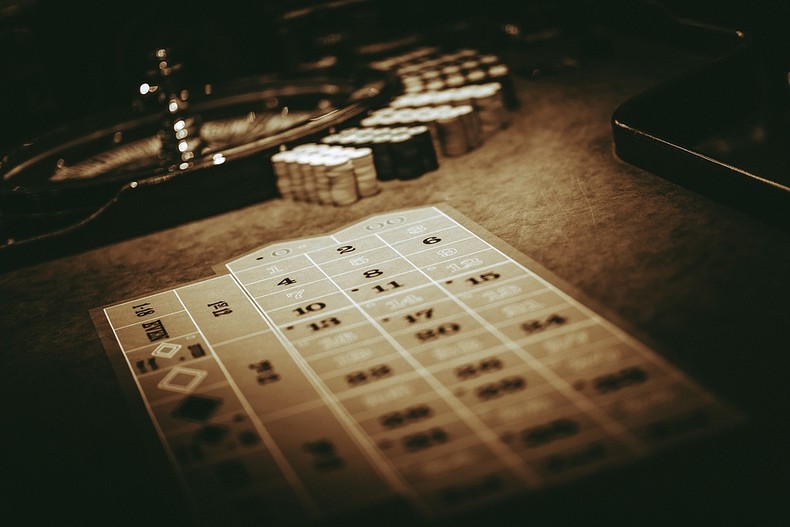
One of the first known gambling dens in the U.S. was the Flamingo Club on Newport’s York Street. The establishment was founded by Arthur Dennert, but when Levinson and his associates decided they wanted to take over the Flamingo, they forced Dennert to step aside – paying him a retainer as a ‘gesture of goodwill’.
The Cleveland Four were no strangers to getting what they wanted – they had the owner of a local horse racing venue run over and killed when he refused to step aside, and soon the syndicate also forcefully took control of the Beverly Hills Country Club – where Dean Martin was once employed as a blackjack dealer.
Pete Schmidt ran the Glenn Rendezvous venue which the gang wanted, but he refused to play ball. So Levinson gave his goons orders to urinate in the lobby, in the full view of everyone, on a daily basis. Unsurprisingly, Schmidt eventually gave in and sold the Glenn Rendezvous to the gang.
Before long they enjoyed a near monopoly on gambling in Newport, with Dennert – with the blessing of Levinson and his family – also setting up Club Alexandria.
While Las Vegas would have its famous Strip, Newport had its own flagship destination: Monmouth Street, where many of the most popular casinos of the time would be located. Even today, Monmouth Street is home to casinos and gaming establishments run by the Churchill Downs company.
But back in the 1940s in Kentucky, gambling remained illegal – and law enforcement officials were starting to take a stronger interest in what was going on. Levinson left his operations in the hands of his associates, before trying his luck in Florida and, latterly, Las Vegas a legitimate investor.
His absence ultimately saw the gambling scene in Newport crumble like a house of cards….
What a Racket
With Levinson and Dalitz, who had run casinos in the neighbouring city of Covington, off to the bright lights of Las Vegas, casino gaming in Newport fell on harder times.
Law enforcement started to get a hold on matters, too. There was a time that it was thought that the police and policy-makers in Newport were, let’s say, amenable to bribes and hush money to let the crime syndicates go about their work.
And when individuals came along who made it their mission to rid the city of its illegal activities, their efforts would largely come to nothing. Take George Ratterman. He was a candidate for the sheriff’s office in Campbell County, pledging to clean up the streets and rid Newport of its increasingly-sordid reputation.
But before long, Ratterman was found in bed with a stripper, high on drugs, at the Flamingo. Local detective Pat Ciafardini, who helpfully had a photographer with him at the time, caught Ratterman in the act in a bid to sully his name. He was arrested for soliciting.
But local police officers spoke out against Ciafardini, testifying against him after he was indicted for conspiring with crime chiefs. It was proven too that Ratterman had been drugged with choral hydrate, as it became pretty obvious that the mob were trying to ruin his reputation just six months before the voting for the new sheriff opened.
Alas, it was all to no avail, mostly. Not only was Ciafardini cleared of any wrongdoing, he was later made the chief of police in Newport. Many believe the mob’s influence had won out once again, although Ratterman would have the last laugh when winning the election.
 The worm was turning, however, and by the 1950s attitudes had shifted markedly. Investigations into criminal activity and racketeering saw many mobsters hauled in to face justice, while those managed to flee headed west to Las Vegas – ploughing their ill-gotten gains into the ‘new’ Sin City, where casino gaming and gambling were legitimate enterprises.
Local residents also wanted to restore the good name of Newport and set up their Committee of 500, which had the stated ambition of ridding the city of its corrupt officials. They even managed to convince the president of the United States, Robert Kennedy, to send for FBI investigators to wipe Newport’s slate clean.
Police were handed powers to raid casinos, and any licensees not holding the correct paperwork were turfed out. Many infamous characters, such as the gangland enforcer Frank ‘Screw’ Andrews, were handed prison sentences after being sent down on an array of illegal gambling charges, while many more of the remaining mobsters fled the city.
And so, just like that at the end of the 1960s, Newport’s status as a gambling destination to rival Las Vegas and New Jersey came to an end.
Without its Mafia investment, Las Vegas may never have gotten off the ground as a tourist capital. And without Newport, the mob wouldn’t have had any riches to invest in the new Sin City….